Academy of Pastry Arts is the best culinary school in Mumbai where you can get the certification in patisserie and baking.
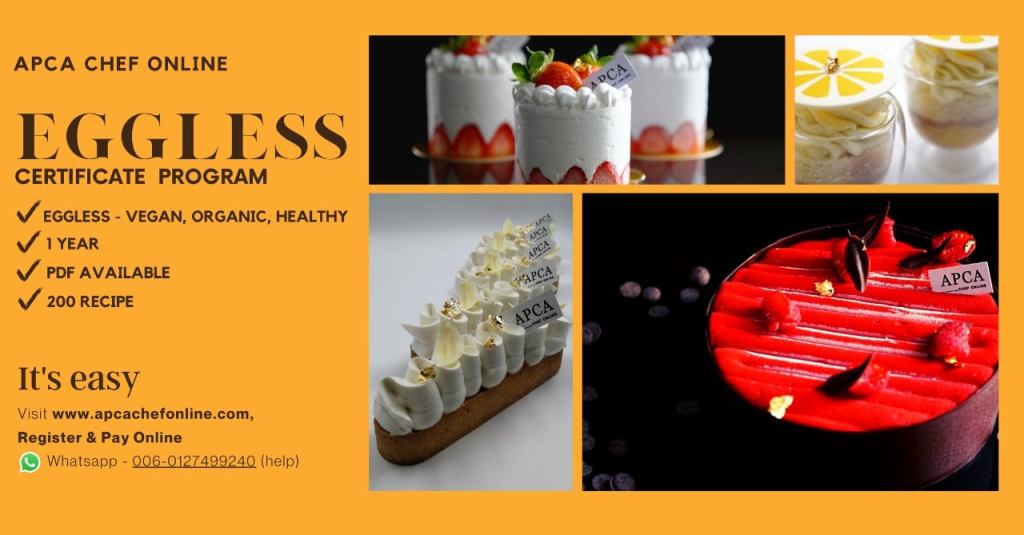
Step Toward A Bright Future In Baking With Culinary Courses In Bangalore
After finishing their studies, students hunt for the finest professional path that will bring them to success. Because of the high demand in the market, the bread business is currently growing its economics. As a result, an increasing number of aspirants are gravitating toward this profession and pursuing baking courses as a career option. There are a lot of baking institutes in Bangalore, but APCA India is considered to provide the best baking classes in Bangalore. Aspirants can enroll in a variety of learning courses at this institute to advance their careers.
If you are interested in taking the best baking lessons, APCA India is recommended because it offers the greatest academics compared to any other baking course in Bangalore.
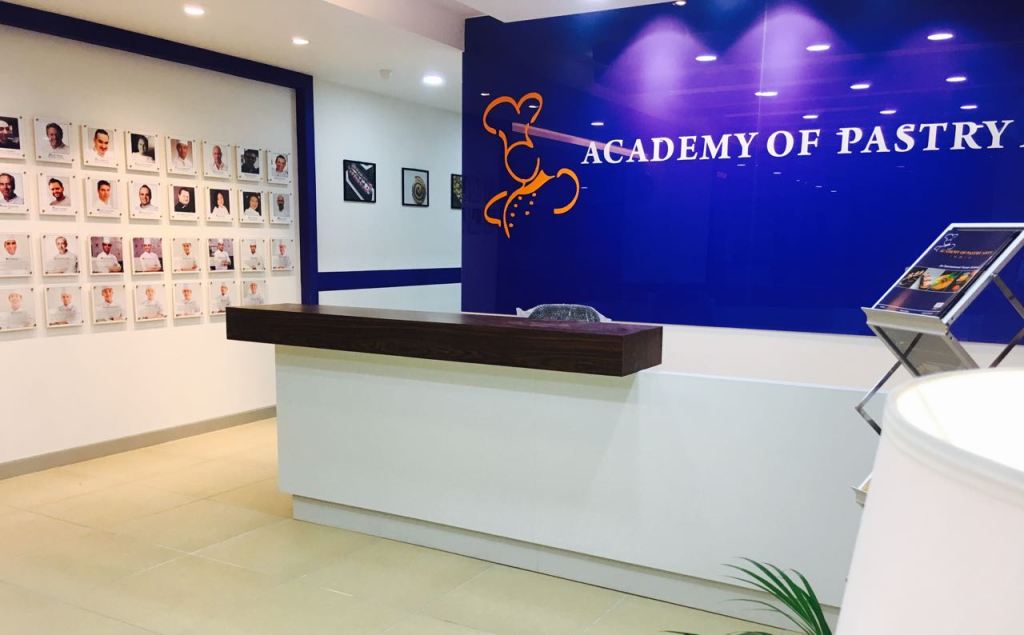
If someone is unsure of where they want to go in life, the baking sector has provided them with another choice. Because of the increased demand for pastries, cakes, cookies, and other delectable treats in recent years, the baking business has experienced a boom in its economic sector.
Now people can learn how to make delicious and irresistible pastries, cookies, muffins, loaves of bread, and other baked goods at this bakery institute. These institute’s professors are well skilled in this field. With the help of a continuous learning session and workshops from an expert, the students here are learning how to use the right quantity of raw materials to bake bread, cookies, pastries, and other baked goods. While students are taking baking courses in Bangalore at this institute, the alumni of this baking institute keep a friendly relationship with them.
Additionally, this institution enables the aspirant to get experience with other projects and internships while attending these baking sessions. It is a significant advantage for applicants to get this experience and learn how to work in actual situations under pressure during their course at this institute.
The professor’s baking skill, combined with its extensive knowledge and experience, enables candidates to study a variety of unique baking techniques. Thus, if an aspirant is looking for baking courses in Bangalore to advance their career in this field, then we certainly recommend going it this baking institute in Bangalore.
How To Become A Chef In India: Explore Chef Courses
What’s the next greatest thing to a home-cooked meal? Restaurant cuisine! We eat at these places as often as we can, whether it’s for breakfast, lunch, or dinner. Restaurants abound around the country, and the number continues to rise. Chefs play a critical part in bringing such gastronomic fantasies into life. A chef’s responsibilities span from preparing delectable meals with speed and skill in designing restaurant interiors, including everything from decor to table arrangements. A competent chef with years of expertise ensures that these restaurants meet the needs of their consumers.
Various culinary schools are providing different bakery courses in India. APCA India is a well-known baking institute that is contributing significantly and growing with its culinary courses in India. The popularity of baking schools in India is growing day by day.

A career as a chef may be both gratifying and satisfying. They are extremely adaptable workers that are needed in a variety of settings, including restaurants, campgrounds, and cruise ships.
This position, however, is not for everyone. Whether you aspire to be a chef, it’s always interesting to watch what these trained specialists accomplish daily.
Robust demand:
India’s tourist industry is predicted to rise 6.7 percent to Rs. 35 trillion (US$488 billion) by 2029, accounting for 9.2 percent of the country’s overall economy. The hospitality industry in India is one of the fastest-growing in the country’s service sector. They employ a vast number of people in the hotel industry. They employ directly 30 million people or indirectly because of the industry. According to IBEF’s projected estimate, the hotel industry will contribute more than $194 billion to India’s GDP by 2028.
Who is a chef?
A chef is someone who takes raw ingredients and turns them into delicious dishes that appeal to both the eyes and the palate. A chef is someone who understands how to prepare, train, serve, and manage a restaurant. Being a chef is a great deal of dedication, hard work, and passion. In order to work as a chef in India, you must learn the following skills:
- Cooking abilities
- Cutting abilities
- Skills in plating and food safety
- Diet and nutrition basics
- Presentation and styling of food
- Abilities to manage the kitchen
- Abilities to manage a company
- Communication skills
- Restaurant management skills
Courses:
Working as a chef is one of the most fascinating jobs available today. Chefs enjoy a high level of respect and prominence all throughout the world. Chef courses are becoming more popular in India, and various institutes now offer them. The beautiful part about being a chef is that there are no restrictions on courses or schooling. Various institutes and colleges offer enough certificate courses, graduate programmes, diplomas, Post Graduate Specializations, and doctoral-level degrees.
The following are some of the degree programmes that can be pursued to become a chef:
- Bachelor of Hotel Management (BHM) in Culinary
- B.Sc. in Hospitality and Hotel Management
- B.Sc. in Catering Science and Hotel Management
- Certificate in Food Production and Patisserie
- PG Diploma in Culinary Arts
- BA in Culinary Arts
Culinary Courses In Bangalore
Academy of pastry arts is one of the best culinary arts school in Bangalore and offers advanced diploma courses in bakery and pastry arts.

Benefits of Online Culinary Classes
It could be the right time to take online baking classes and finally learn to cook at your home. It was not this easy to learn baking online. A lot of the top chefs never took formal culinary school. They either learned on their own or under the guidance of a mentor. For those who don’t have the time or money for formal culinary classes, online culinary classes are a cheap but effective alternative.
Now, low-cost online cooking classes are a great option. It was not an option earlier, but the only option available was an expensive formal structured cooking school.
Here are the 5 benefits of Online Cooking Classes:
1. Access and Flexibility:
You can use any device at any time to access these online classes.
Flexibility is the chief advantage of online education. Online students have the privilege to organize study time around the rest of their day. It helps the student to balance work, family, and education.
2. Awaken Creativity:
Learning new techniques, using various ingredients and new recipes will improve your ingenuity. These enhance your creativeness in the kitchen and make you more resourceful when it comes to cooking.
3. Healthy Eating:
Some online Cooking Classes can help you improve your diet. You can learn how to reduce unnecessary consumption of calories, fats, and sugar. It will boost your metabolism, one will have a healthy life.
4. Stress Relief:
We consider cooking being a stress-relieving exercise that improves mental stability too. Reduce anxiety, depression, and other mental illnesses. It also improves our coordination and reflex, makes us much active mentally and physically too.
5. Cultural Enrichment:
The best way to know a country is to know their cuisine. It gives you a taste of other cultures through its various ingredients and combinations. It allows you to experience a whole new world within your walls.
As Julia Child said, “No one is born a great cook, one learns by doing.” Use this opportunity and improve your cooking at home. Learn new skills, recipes, and techniques. Live this New Year with spice!
APCA India has been educating people in the field of culinary for a long time and has a great status in it.
Culinary Arts Course In India
Gain all around culinary skill development with Academy of Pastry Arts, the leading culinary arts school in India provides superb expertise to the students in the field of culinary arts.
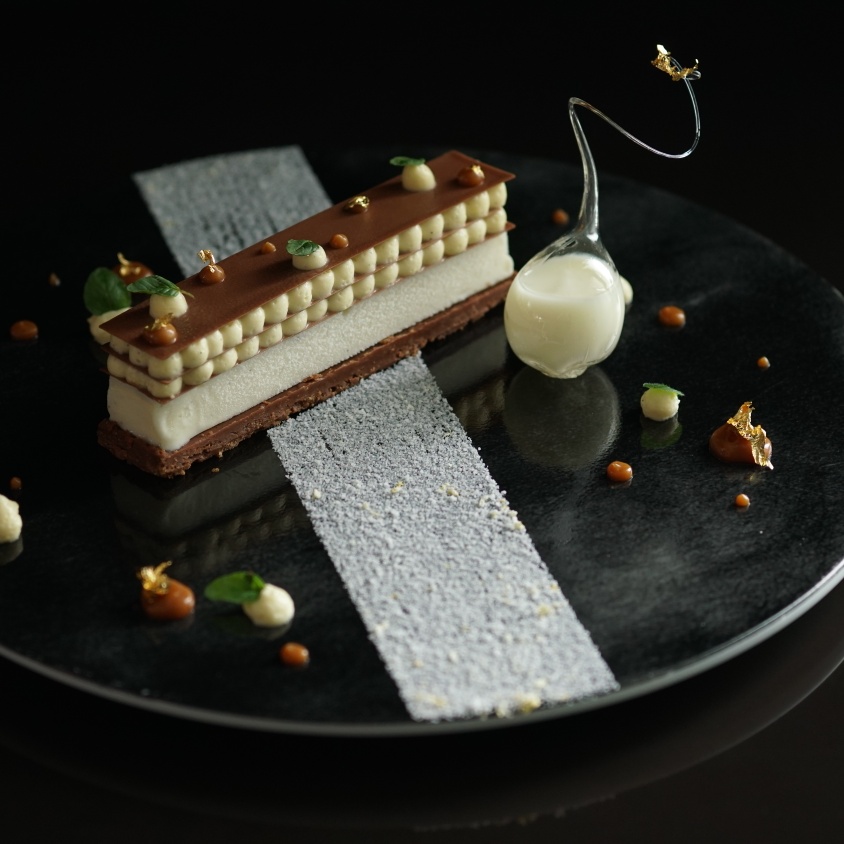
Why Is Formal Training Required To Be A Professional Chef
Indians love food, and they love to eat out. How does one become successful as a chef? Aspiring chefs pursue formal training in order to fulfill all the chef qualifications and skills required to make it big in the hotel industry. By learning to pay attention to intrinsics, having in-depth knowledge and understanding of the product, the right attitude, the ability to comprehend and compete with current trends, one can imbibe some of the top qualities of professional chefs in India.
The Academy of Pastry & Culinary Arts (APCA) apart from its many culinary courses has started a new session for the Culinary Diploma Programme. The course is aimed at those keen to work as a cuisine chef in hotels, restaurants, or even start their entrepreneurial outlet. Experienced chefs will conduct the classes that primarily focus on hands-on training. The curriculum includes basic topics like principles of cooking, knife skill, cutting techniques, preparation of soups, grain and Pasta etc. it will also cover classical French, Italian and Indian cuisines in addition to an insight into molecular gastronomy, etc. The course will cover 1440 hours of hands-on training with a maximum of 16 students per batch. Students to receive an internationally recognized diplomas from City & Guilds UK and Skill India. The institute will also provide internship and placement with branded hotels and leading bakery chains.
Some of the advantages of this training are :
- Cooking Skills – Formal training helps chefs and cooks learn how to prepare, season, and cook a wide range of foods – from soups, snacks, and salads to entrees, side dishes, and desserts. With this skill, they get to work in a variety of food services establishments. With in-hand training and exposure, chefs and cooks learn to measure, mix, and cook ingredients according to recipes, using a variety of equipment, including pots, pans, cutlery, ovens, broilers, grills, slicers, grinders, and blenders.
- Consistency – An organized training and development program ensures that chefs have a consistent experience and background knowledge of their daily activities. The consistency is particularly relevant for them as they may have to prepare the menu several times and each one with the same recipe and plate presentation.
- Expertise – The most important skill chefs need is an ability to cook good food including the knowledge of the kitchen. This includes a variety of small intrinsics like knife and plating arrangement skills to tasting skills. Chefs need to cook precisely and proficiently. Formal training helps them in recognizing flavors and the balance of seasonings and toppings as they keep on cooking daily.
- Nutritional Science – if you pursue your degree from a good college then as a culinary student, you’ll acquire strong knowledge and concepts on food sources, nutrients, and the ability of the human body to process them.
- Analysis – Students who go through training work under the constant supervision of professionals. In case there are any weak links of the student in the kitchen concerning the interdependency of tasks, the supervisors help you in overcoming your weakness. Hence this is how formal training becomes one important aspect.
Why Study Culinary Art?
Food is a basic necessity, but it is only chefs who endeavor to convert food from simple to extraordinary. Culinary arts help you to widen your horizons in many ways. It not only helps you to become a professional chef, but it will give you a deeper appreciation for food, culture, food as an art, and more, this can be passed to customers through your culinary efforts.
APCA is an esteemed group of Professional Culinary & Pastry Schools with Pan- Asia presence in Malaysia, Philippines, Indonesia, Singapore, Delhi NCR, Mumbai and Bangalore. The academy uses cutting-edge technology, mixed with ingenious techniques, specifically designed to teach the art, science, and techniques of creating good food and methods needed to excel in the food industry.
The culinary art courses are worth it as it gives people the necessary experience, which brings an additional flavor to any dish.
Professionalism
The course helps one to become more professional, prepare the food safely and systematically. It also makes you ethical at your workplace. While studying culinary art, you undergo courses that include food sanitation, molecular gastronomy, culinary event management, slow food and sustainable practices, culinary research development, food blogging, and food photography. While plating a dish you just do not present a dish but present ideas and expressions linked to the background and its origin. The way the food is prepared and presented on a plate looks like an art form, and this gives a great amount of satisfaction to the guest. The aroma creates different feelings; it’s a painting that is filled with color, and each color represents an emotion.
Admiration
Food is closely linked with various cultures and religions. Food across the world is presented and ‘passed down from one generation to the other generation. And this always keeps the recipe alive; there could be few alterations in the recipe as time passes. The culinary study is not only learning the recipes but also tells you about the geography, climatic conditions, tradition, and festival of that particular region. This in-depth knowledge helps you in developing interest in different cultures and also creates a connection with different people.
Healthy lifestyle
Various good culinary art programs teach you about nutrition and healthy eating and its importance. Chefs have now emphasized preparing dishes that are not only delicious but also healthy to provide nutrition to the guests. Many restaurants nowadays offer food for vegans.
Experience
The benefit of studying in culinary school is that you get ample opportunities to roam around the world and get a job anywhere in the world rather than working in a local restaurant at a lower salary. And the experience will be diverse and enlightening. You will also get opportunities to meet Michelin star chefs and get trained by them.
There are so many great online classes currently available for you to pick from, so register for one now and start your online baking journey today!
Benefits of a Baking and Pastry Program
Global cookery shows have given wings to the dreams of thousands of youngsters of running a kitchen or flipping an omelet on the television. But just like any art, culinary art needs to be learned and developed properly and systematically.
Though the culinary course does come with a price tag, it helps students develop the required skill-sets & techniques which are much needed for running one’s kitchen or working within the hotel industry. A chef is highly trained in aspects related to the preparation and presentation of food as well as kitchen and staff management.
Like any other job and skill, learning culinary arts and being a chef also has its own set of pros and cons.
Good things first:,
1) Satisfying Job: this occupation gives the freedom that most of the jobs and professionals do not enjoy. Chefs innovate and experiment with dishes, and use their creativity at their workplace to get great results.
2) Lucrative Pay Packages: if a chef is good at what he does then money has no limitation in this field. One is bound to earn a handsome package and get many other benefits once work is recognized.
3) Fame: Chefs are not only well paid but well-known as well. They get abundant opportunities to represent their countries internationally as well and become the face of many upcoming brands.
4) Entrepreneurship: It is not uncommon for chefs to open their restaurants. Many famous restaurants have been opened and are run by chefs. A culinary course is designed to advance culinary skills, entrepreneurship, and people management.
5) Reputation: Most employers seek candidates from reputed culinary schools which ensures them a high-level skill and good quality work. They are confident that people employed have the necessary traits that they seek and need minimum training and maximum performance.
The cons in culinary art vary from person to person and situation to situation, which may or may not be faced by all. These are as follows
1) Long Working Hours: A 9 AM to 5 PM working pattern is not what a Chef is entitled to. Long and odd working hours along with multiple shifts are too common in this field.
2) Pay Package Issue: Like any other field, a good starting package is tough if you don’t have a degree from a reputed culinary school. Though after a point it also comes down to one’s skill and experience to move ahead financially and professionally.
3) Demanding Job: Standing for long hours combined with constant alertness of mind can drain one physically as well as mentally. So it is a challenging role.
Discipline and devotion are the keys. With the right education and hard work, one can chase and achieve one’s goal of becoming a successful chef.
5 Top Things To Know Before Choosing a Culinary School
The decision of whether or not to go to culinary school is a big one especially when you are planning to choose culinary practices as your career. Since many people believe in learning on the job than anything one can learn in a classroom. Though industry experience is essential, since many out there are culinary degree holders, the need is felt for the same.
Here are some tips one must keep in mind for choosing a Culinary School
ACF Accreditation
If the school you are planning is accredited, with ACF it means their curriculum, facilities, student-teacher ratios, certification of instructors and more, are all validated. It’s like a seal of approval from the culinary industry, so you can be confident that an ACF-accredited culinary arts program is going to adhere to a uniform standard of instruction and provide a top-quality culinary arts education.
The American Culinary Federation (ACF) is the top professional chefs’ organization in North America and is the organization responsible for regulatory oversight of culinary schools.
Cost
Best culinary school come for a good charge. And the entry-level food service jobs aren’t exactly high-paying. So while you work toward your dream of success do keep your pockets in mind. Be it a student loan or hard-earned money
Fortunately, some local community colleges come at affordable prices. Remember, an excellent culinary education does not need to be an expensive one.
School’s Existence
When did the school you are planning to apply to come into being? The popularity of cooking reality shows has led to increased interest in culinary schools. To meet this increased demand, more privately operated culinary schools came into existence. But newer schools aren’t necessarily better.
Something else to remember is that the longer a school has existed, the broader its network of alumni will be. And that translates into jobs.
Modern Facilities
Amenities count. Older the school, the lesser the state of its facilities. Community colleges may have been around longer, but their budgets may also be relatively small. That makes it tougher for them to purchase new equipment or outfit modern classrooms and kitchens. Newer schools with, higher tuitions often boast newly constructed, state-of-the-art facilities. But yes not every restaurant might offer its chefs a premium setup. So one should be ready to face it all.
Exposure
An excellent culinary program should have some student-operated restaurant that allows them to get a sense of real-world restaurant service — and in fact, most of them do. They have to serve guests daily in separate dining facilities and thus get a real restaurant experience. Some programs also offer internship
Academy of Pastry and Culinary Arts (APCA) group of Professional Culinary & Pastry Schools with Pan- Asia presence offers fully interactive Online culinary courses, by world-class -chefs. Taught through Video recording that can be used any time and recipes in PDF, this academy uses cutting edge technology, mixed with ingenious techniques, specifically designed to teach the art, science, and techniques of creating good food and methods needed to excel in the food industry. Its course module is designed to advance chefprenuership, culinary arts, and Food &Beverage profession with integrity and meaning.
These programs offer busy students the flexibility of completing classwork on their schedule, usually at a more affordable price than traditional baking and pastry programs, though they miss the hands-on learning with a chef instructor in a commercial kitchen and work alone in a home kitchen. but in the end, you are doing what you love to do.
So roll up your sleeves, dawn on that apron, and let’s get COOKING!
 Culinary Arts - A retreat for Chefs